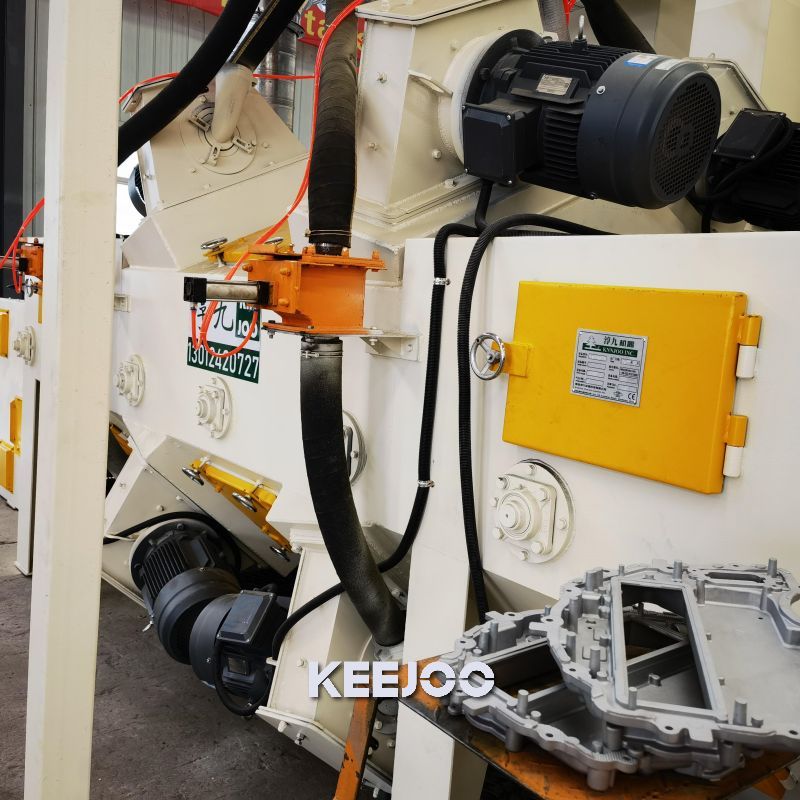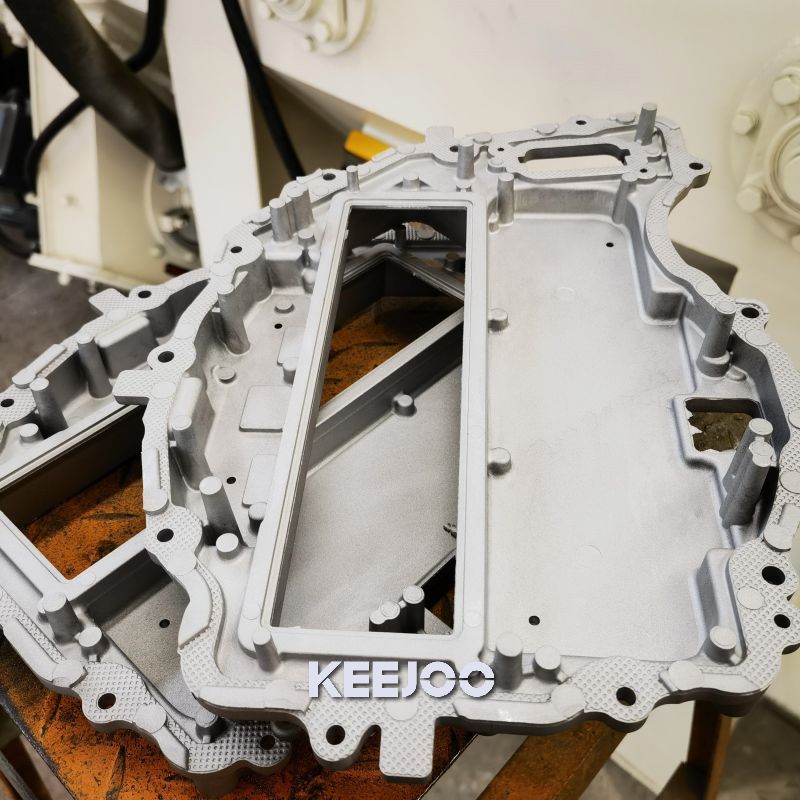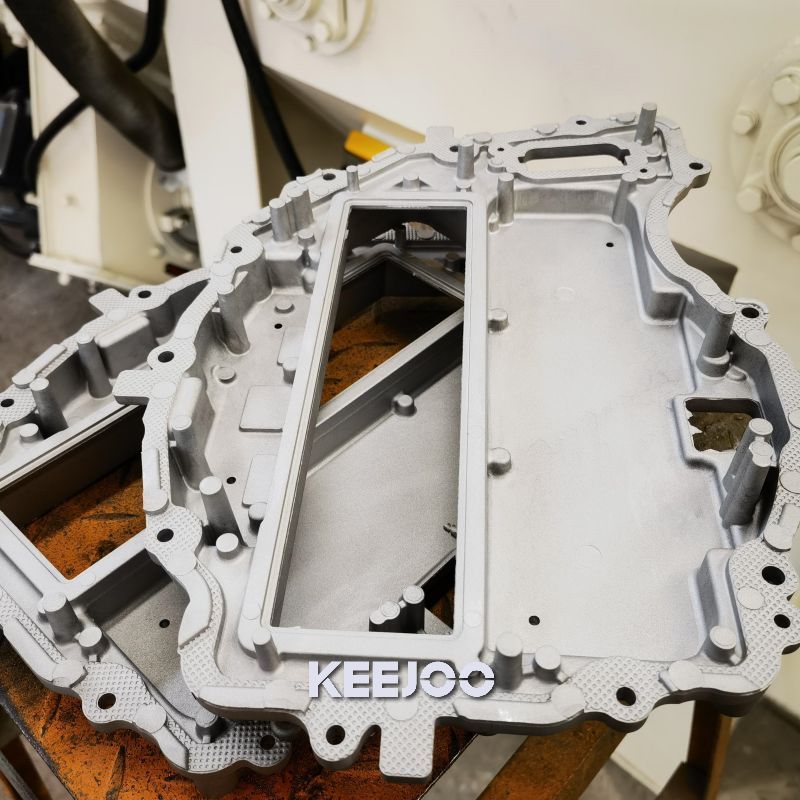
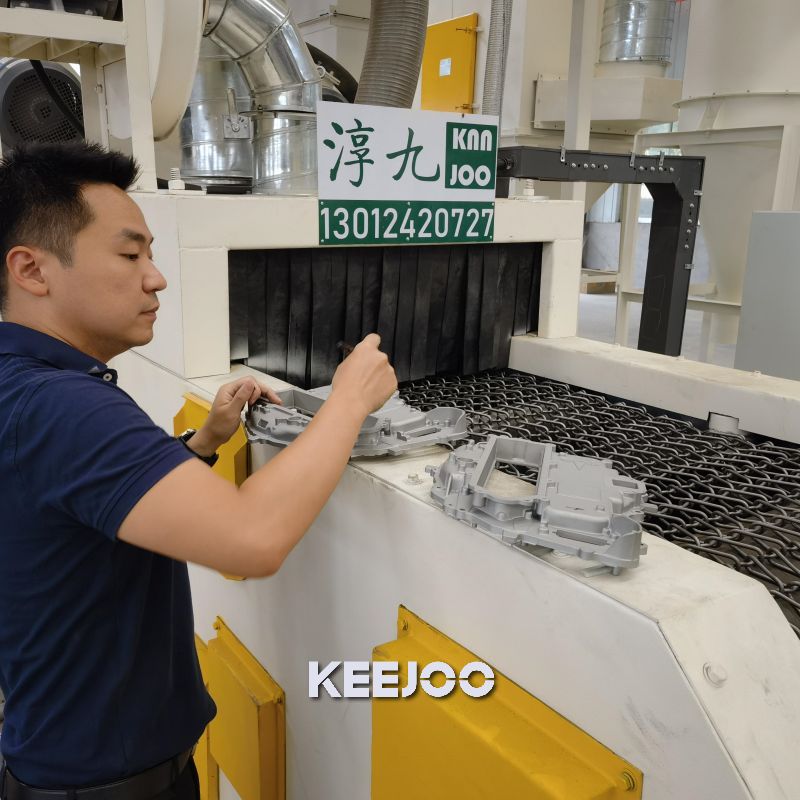
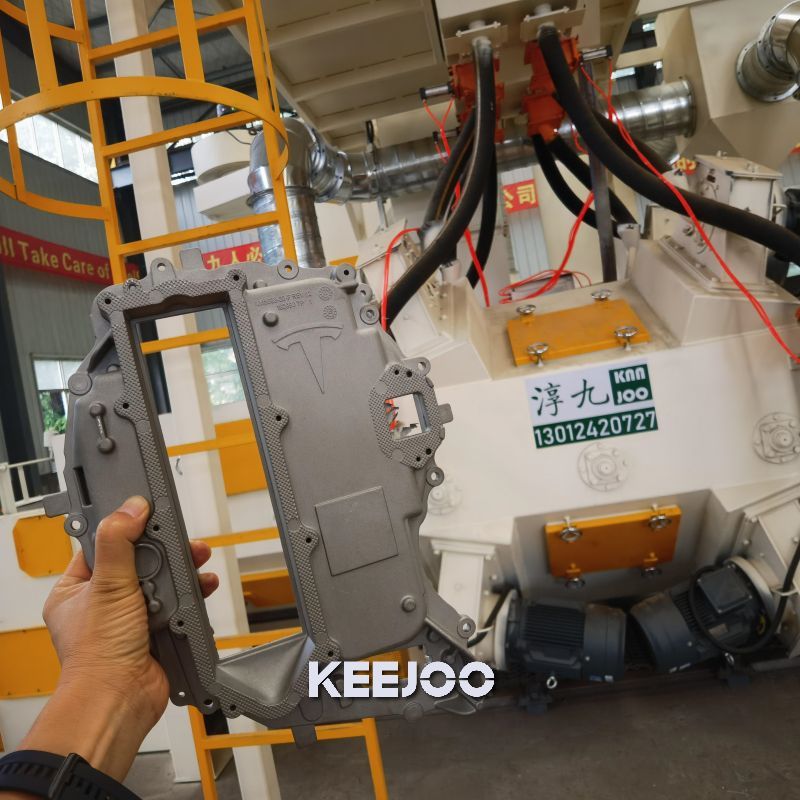
Amid the rapid global growth of the new energy vehicle industry, the use of lightweight materials—such as aluminum alloys—has become a key trend. Leveraging its technical expertise in shot blasting machinery, Qingdao KEEJOO Group developed a custom-engineered continuous mesh-belt shot blasting machine for Tesla (USA). This solution successfully addressed the challenges of surface cleaning and strengthening for aluminum alloy components, establishing the company as a highly acclaimed exemplar of "Smart Manufacturing from China" within Tesla's supply chain.
I. Technical Adaptation: Precision Innovation in Shot Blasting for Aluminum Alloy Parts
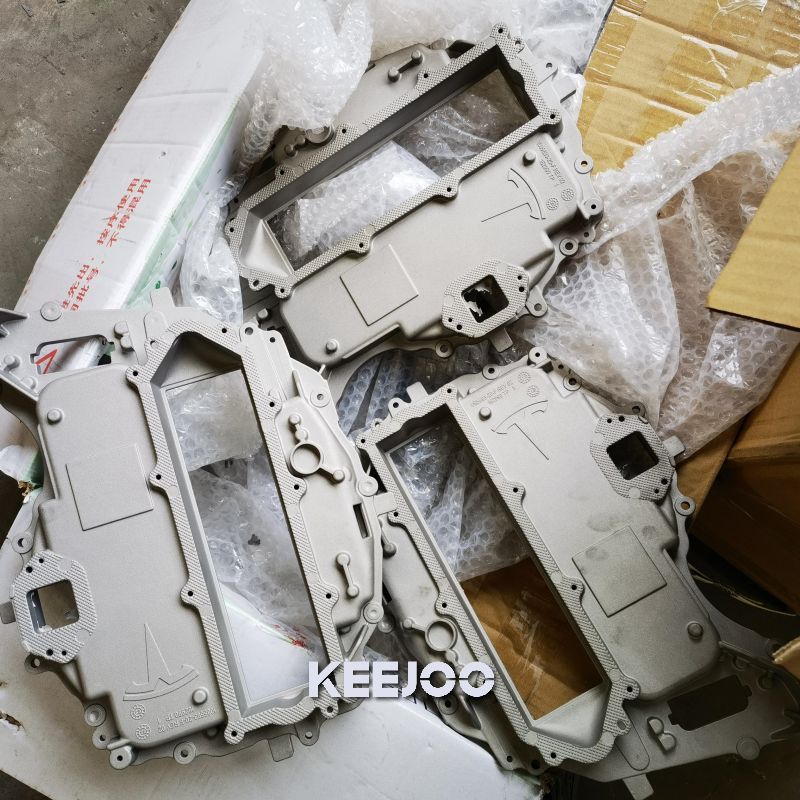
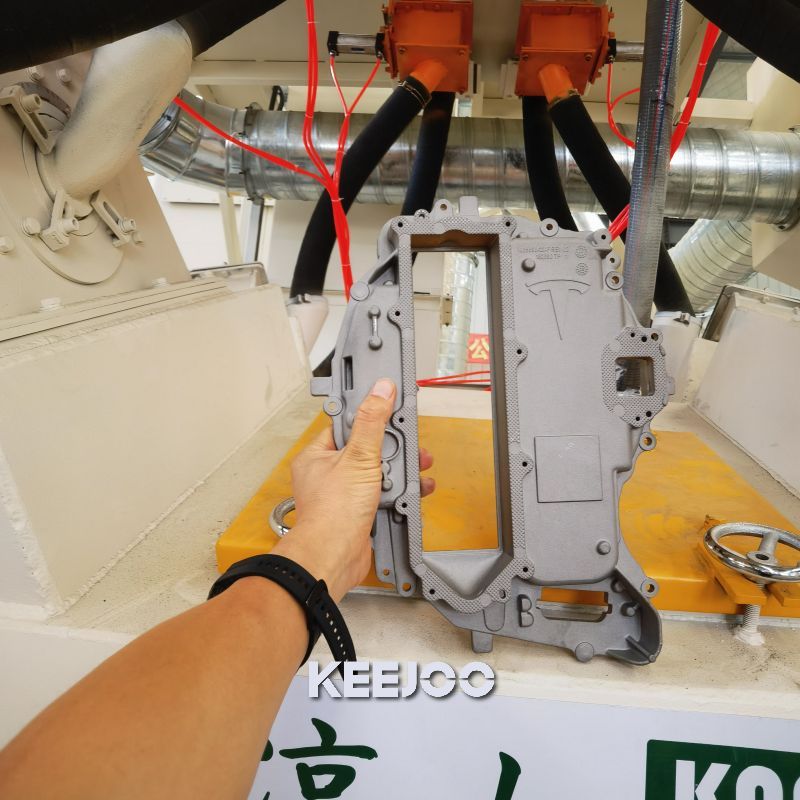
Due to their lightweight and high-strength properties, aluminum alloys are widely used in critical components such as Tesla vehicle body structures and battery trays. However, aluminum alloy surfaces are prone to residual oxide scale and burrs, and the material is sensitive to the uniformity and impact force of the shot blasting process. To address these requirements, Qingdao Chunjiu has implemented several technical optimizations on its traditional mesh-belt shot blasting machines:
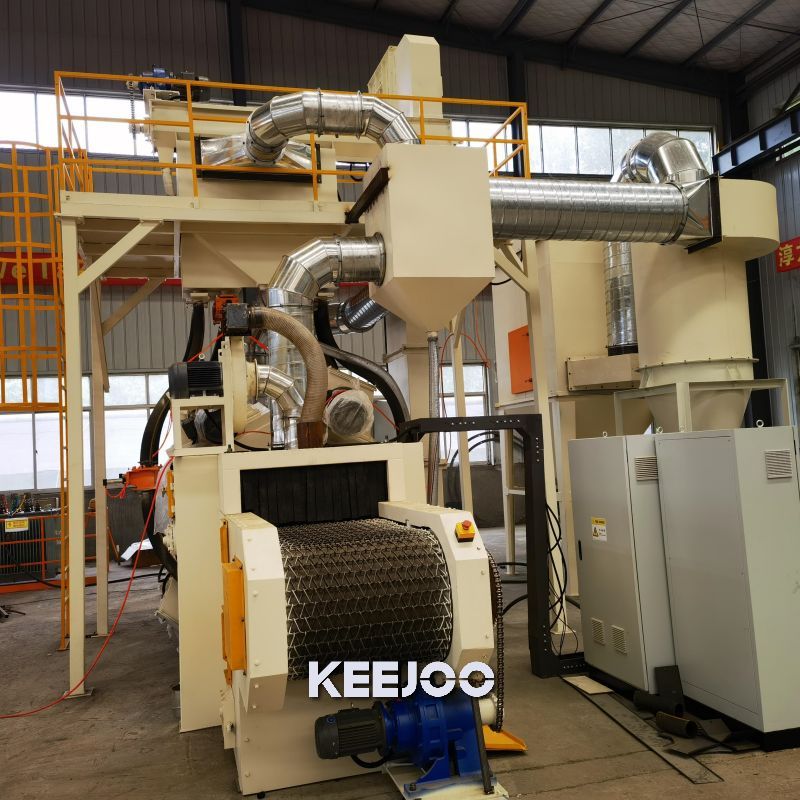
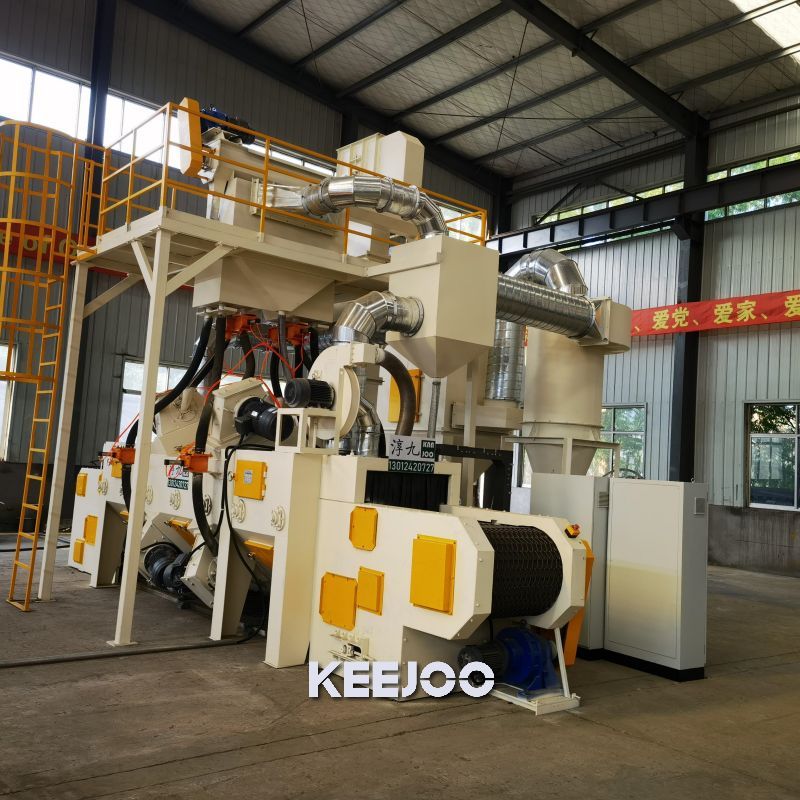
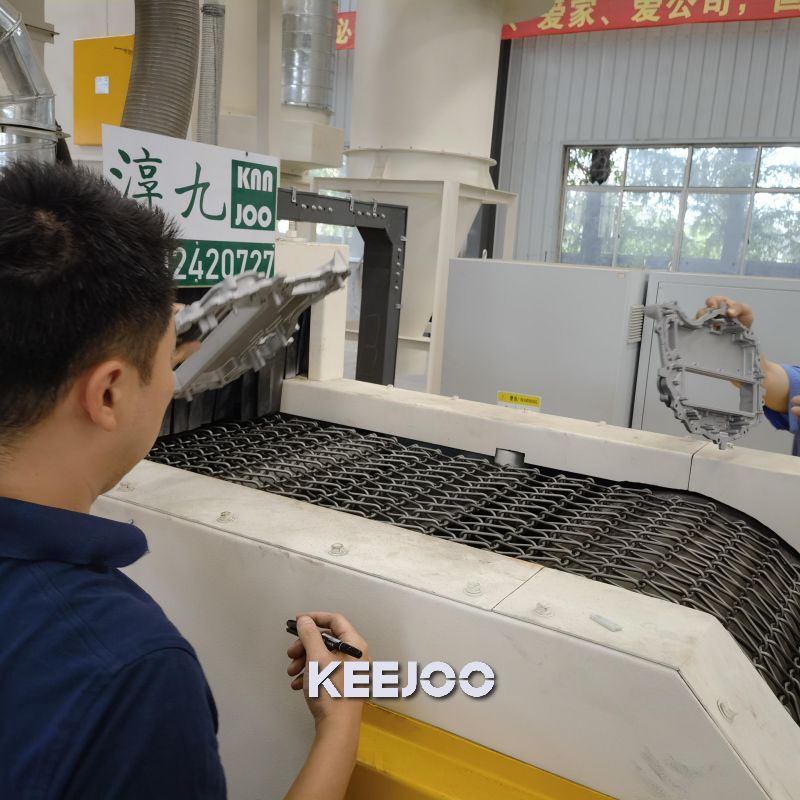
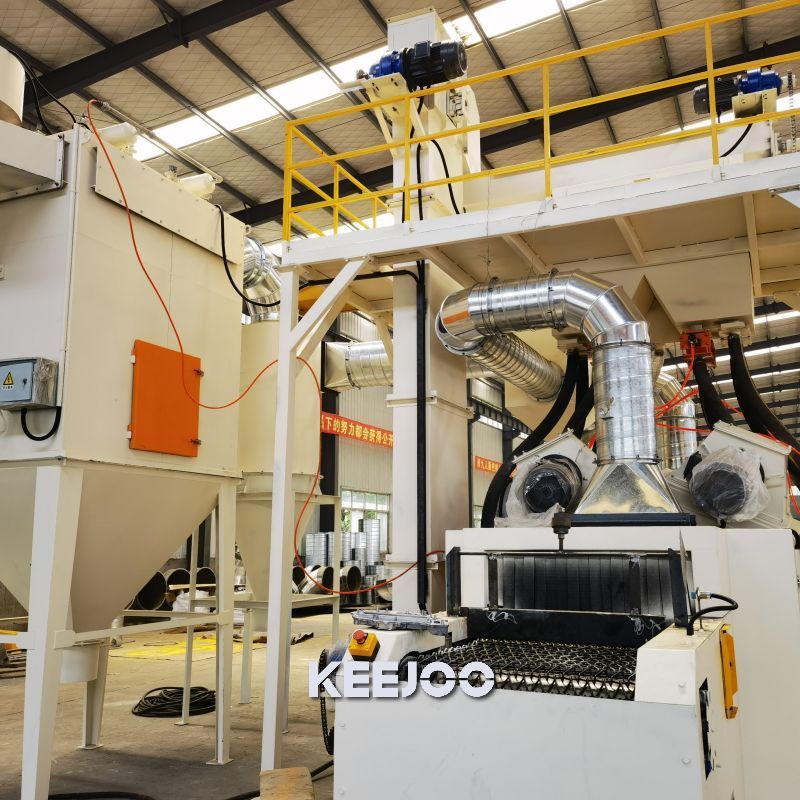
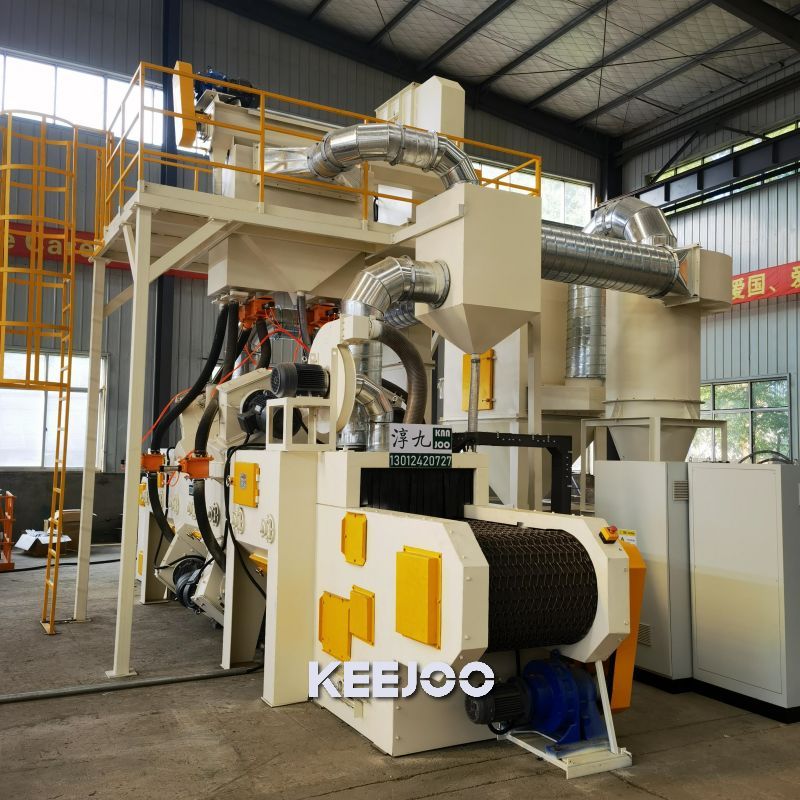
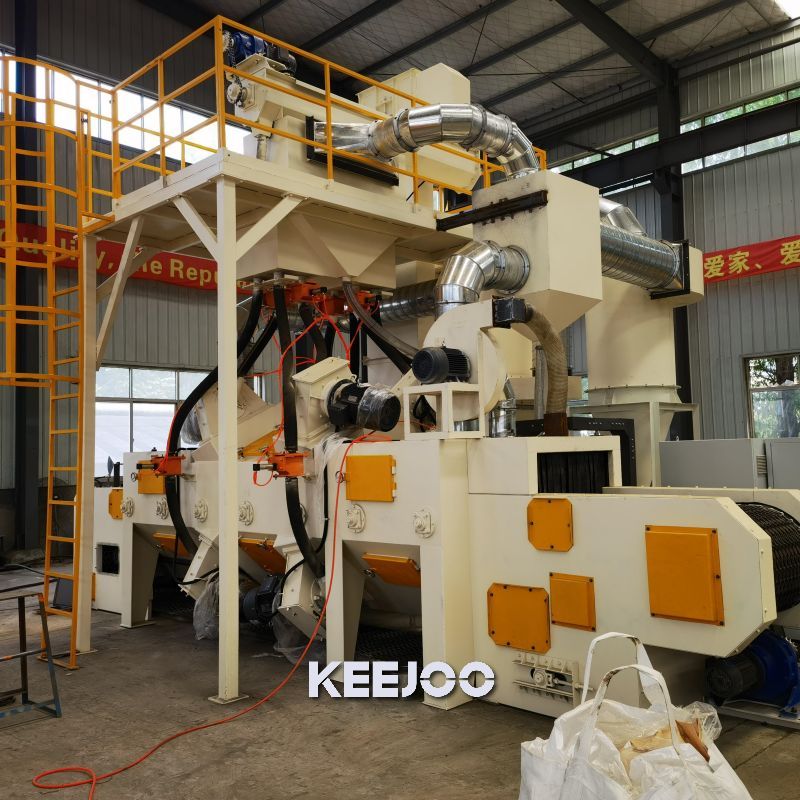
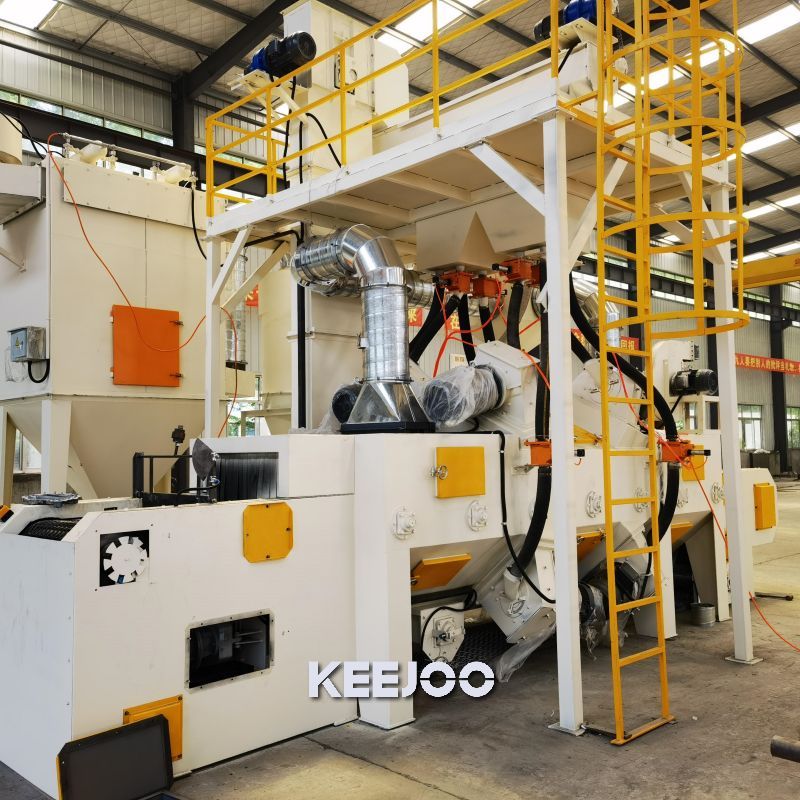
Dynamic Shot Blaster Layout: The system employs 4–8 high-power "HS400" shot blasting wheels arranged in a staggered pattern of vertical and horizontal tilts. Combined with 3D dynamic projection simulation technology, this ensures that shot media covers the workpiece surface uniformly at a high velocity of 82 m/s, achieving thorough cleaning—even in "pocket" areas of complex structures—without leaving any blind spots.
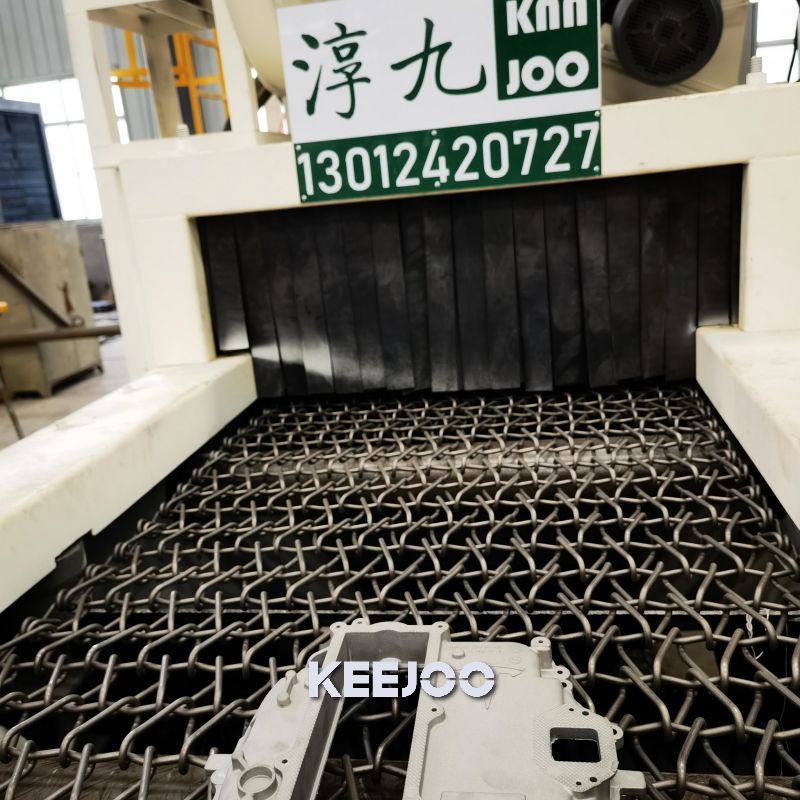
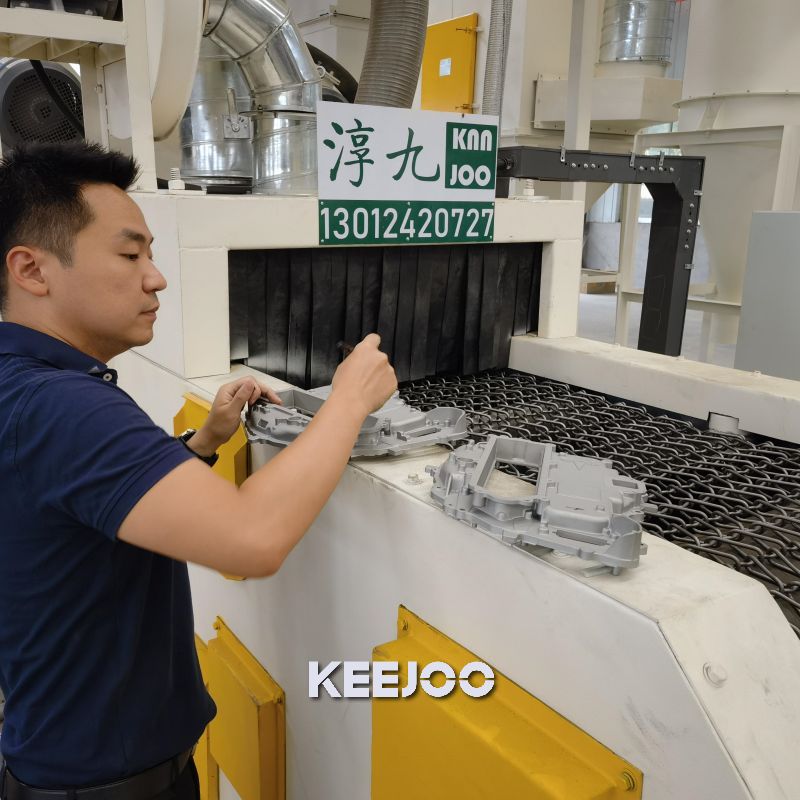
Mesh-Belt Conveying System: Equipped with a highly wear-resistant metal mesh belt and an intelligent tensioning device, the system supports single-layer parallel transport, preventing deformation caused by collisions between aluminum alloy parts. A unique guide rail design concentrates blasting energy on the workpiece surface and minimizes wasted projection; shot media utilization reaches 98%, an improvement of over 20% compared to traditional equipment.
Customized Process Parameters: Tailored to the hardness characteristics of aluminum alloys, the system utilizes 1.5–2.0 mm alloy steel shot. Combined with variable-frequency speed control technology, it precisely regulates blasting intensity to prevent material fatigue damage caused by excessive impact.
II. Performance Enhancement: A Comprehensive Breakthrough in Production Efficiency and Environmental Standards
Tesla maintains rigorous standards for production line efficiency and environmental sustainability; the solution provided by Qingdao Chunjiu achieves breakthroughs across multiple dimensions:
High-Efficiency Continuous Operation: The mesh-belt design supports automated loading and unloading, integrating seamlessly with Tesla’s production lines. With a processing capacity of 1,500–3,000 kg/h—representing an efficiency increase of over 50% compared to traditional drum-type equipment—it effectively meets Tesla’s high-volume production demands.
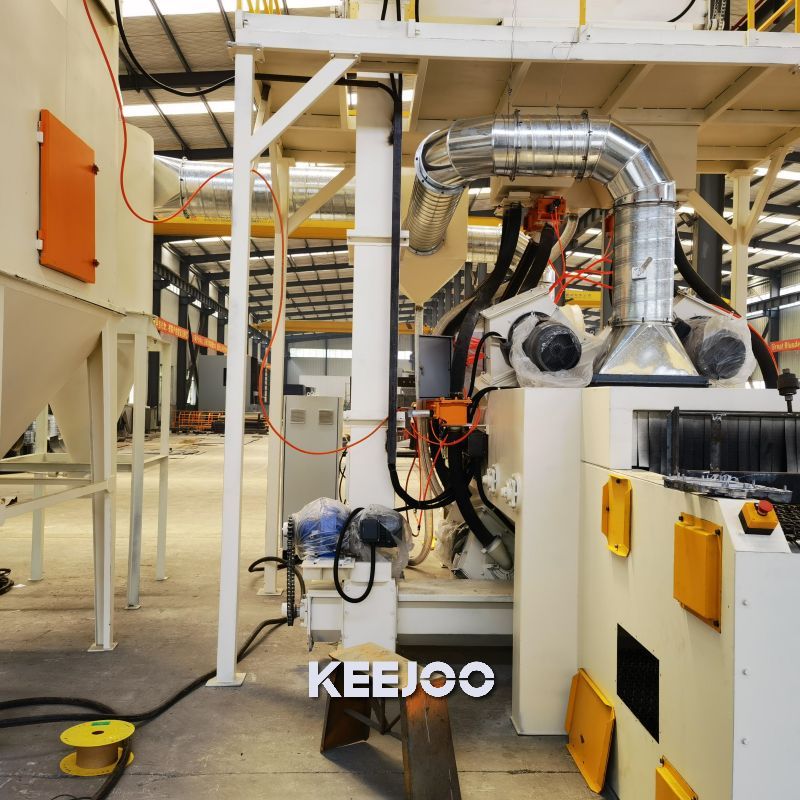
Intelligent Control System: Featuring integrated PLC automation and fault detection modules, the system monitors the real-time operational status of core components such as blast wheels, separators, and dust collectors. It automatically triggers alarms and halts operations in the event of anomalies, reducing the equipment failure rate to below 0.5%.
Green Production Closed-Loop: A two-stage dust removal system (settling chamber plus pulse-jet bag filtration) ensures dust emission concentrations remain below 80 mg/m³. The abrasive recycling rate reaches 99%, with a residual rate of usable abrasive in the waste stream of ≤1%, aligning with Tesla’s "Zero-Waste Factory" philosophy.
III. Customer Value: From Technical Recognition to Strategic Partnership
Tesla’s assessment of Qingdao KEEJOO Group’s equipment highlights consistent quality and advantages in total lifecycle costs:
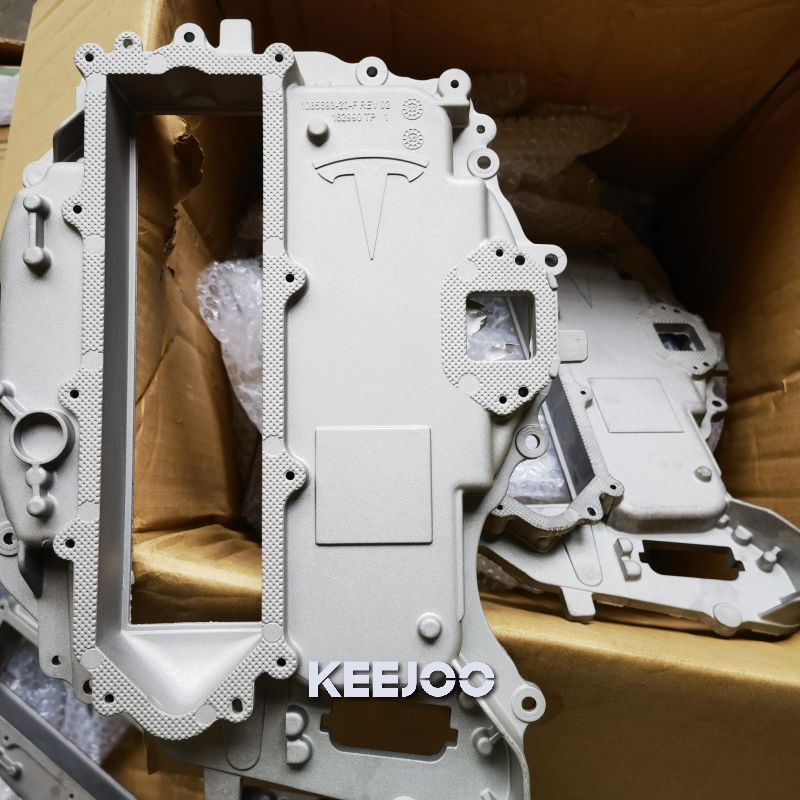
Quality Consistency: Following the equipment's commissioning, the surface cleanliness of aluminum alloy components reached the Sa2.5 grade (GB8923-88 standard), and paint film adhesion improved by 30%, significantly reducing defect rates in Tesla’s subsequent painting processes.
Maintenance Cost Optimization: By utilizing shot-blasting units equipped with German WHEELBRATER "Turbine Hurricane" technology, wear resistance increased by 60%, maintenance intervals were extended to 2,000 hours, and annual maintenance costs were reduced by $400,000.
Strategic Synergy: Qingdao KEEJOO Group’s local service team provides 24-hour response support and continuously iterates equipment functionality based on Tesla’s feedback. For instance, the addition of an "air-lock shot-containment device" resolved the issue of steel shot scattering at the shot-blasting chamber exit, further enhancing production safety.
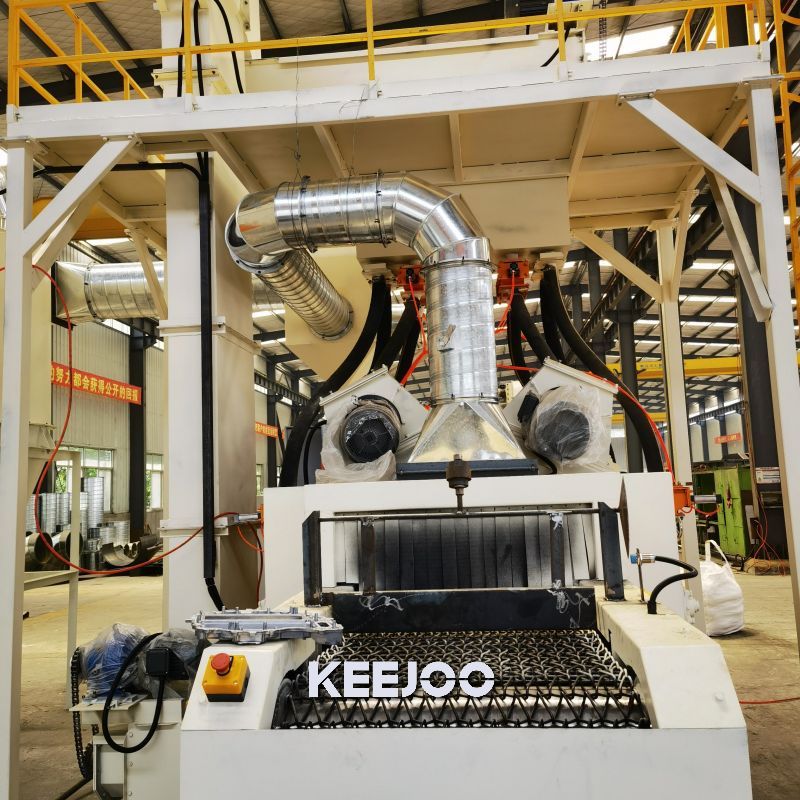
IV. Industry Insights: The Globalization Path for China’s High-End Equipment Sector
The partnership between Qingdao KEEJOO Group and Tesla exemplifies the transformation of Chinese manufacturing from contract manufacturing to technology export:
Breaking through technological barriers: By leveraging proprietary core technologies—such as direct-drive shot blasting wheels and BE-type abrasive separators—the company has challenged the market dominance previously held by European and American firms in the high-end shot blasting equipment sector.
Validation through international certification: The company has built global brand trust by adhering to standards such as ISO9001 and the EU’s CE certification, while also drawing upon successful project track records with major enterprises like Baosteel and Sany Group.
Collaborative innovation across the industrial chain: The collaboration with Tesla has driven Qingdao KEEJOO Group to pursue interdisciplinary R&D in areas such as materials science (e.g., highly wear-resistant liners) and intelligent control (e.g., Industrial IoT modules), thereby establishing a virtuous cycle of "demand-driven development, technological breakthroughs, and market expansion."
Conclusion
The custom-designed mesh-belt shot blasting machine developed by Qingdao KEEJOO Group for Tesla stands not only as a technological showcase for China’s high-end equipment manufacturing sector but also as a prime example of collaborative innovation within the global new energy vehicle supply chain. As lightweight materials become increasingly widespread, this cooperation model—driven by customer needs and fueled by technological innovation—will serve as a valuable blueprint for Chinese manufacturers competing on the global stage.