How to Better Control Dust and Waste Emissions from Shot Blasting Machines
To better control dust and exhaust emissions from shot blasting machines, the following measures can be taken:
Ⅰ.Reduce dust generation
Optimizing shot peening process parameters:
Dust generation can be effectively controlled by adjusting the shot peening speed and angle within the shot peening chamber, as well as by using different types and sizes of shot media.
Moderately increasing the moisture content of the pellet material can reduce the generation of airborne dust.
Sealed shot blasting machine operating area:
Implement sealing measures to minimize dust leakage and reduce hazards to the operating environment and personnel.
Select materials that generate low levels of dust:
Whenever possible, select materials or shot media that generate less dust for the shot blasting process.
Ⅱ.Application of High-Efficiency Dust Removal Equipment
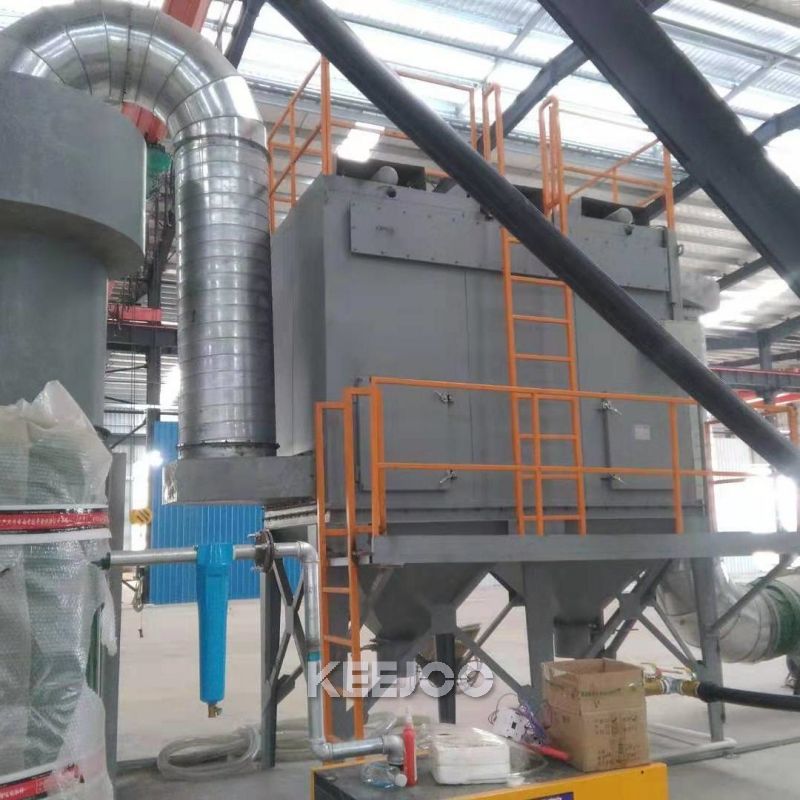
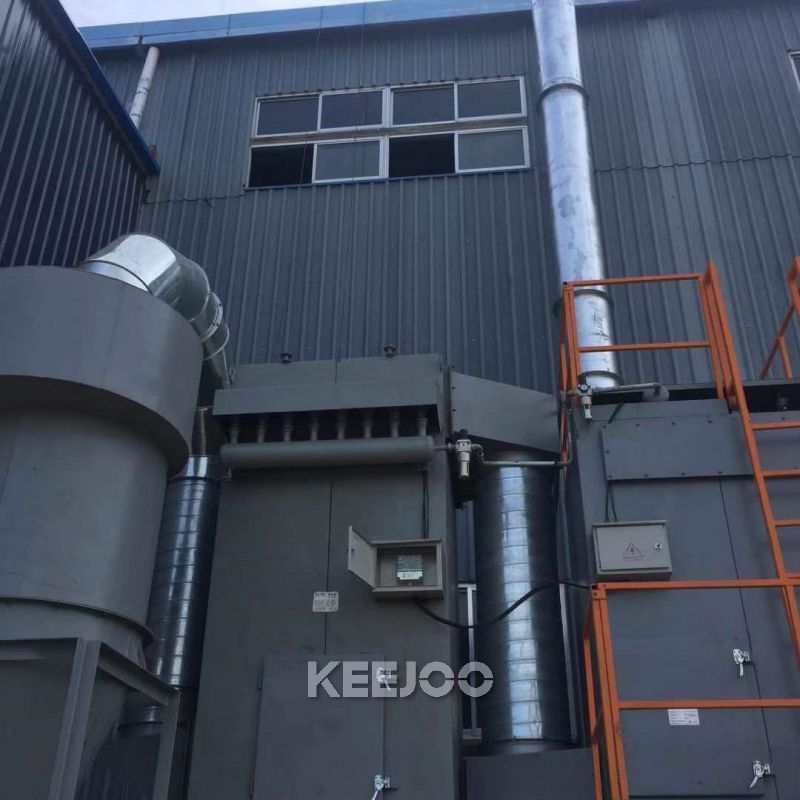
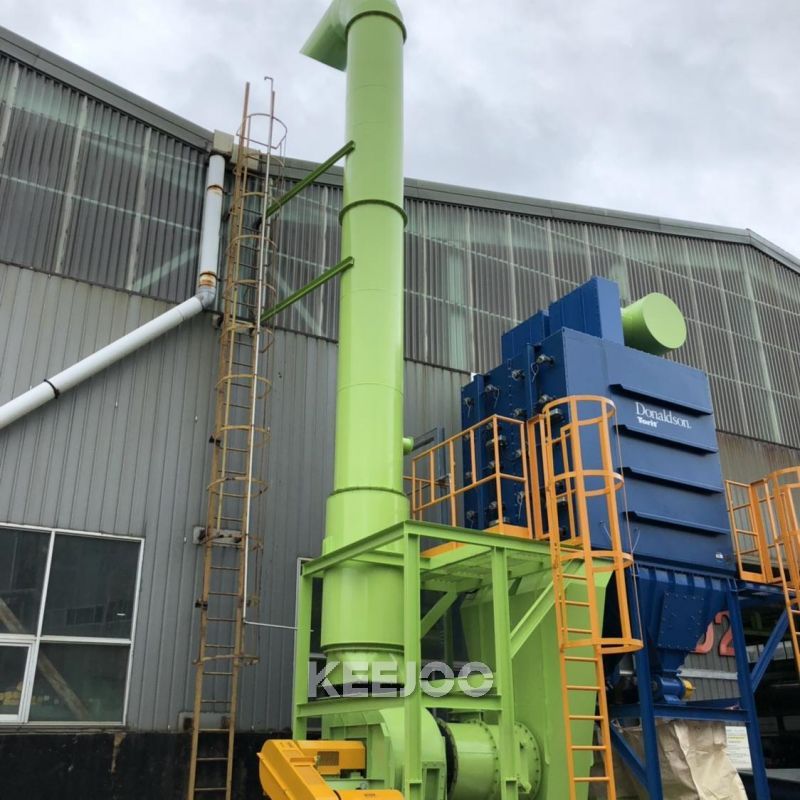
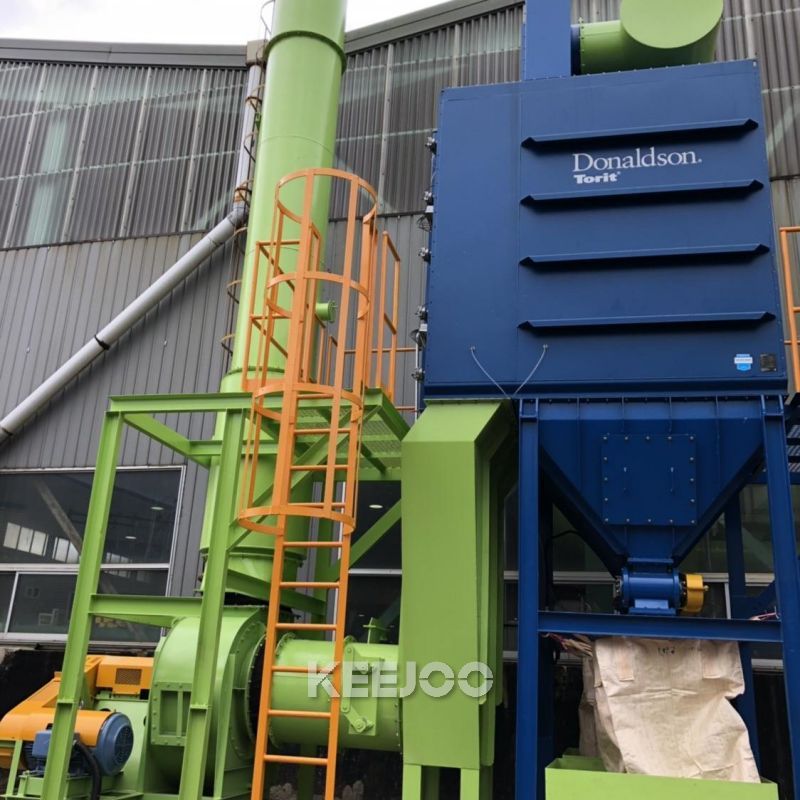
Bag-type dust collector:
With its high-efficiency filtration performance and stable operation, it has become an ideal choice for dust collection in shot blasting machines. Its filtration efficiency typically exceeds 99%, effectively reducing dust concentration in the working environment.
Bag type dust collectors offer high stability during operation, are less prone to malfunctions, and require relatively simple maintenance.
Cyclone dust collector:
Suitable for handling coarser dust particles, it separates the dust from the airflow using centrifugal force.
Cyclone dust collectors have a simple structure and are easy to maintain, but their filtration efficiency is relatively low.
Combined dust collector:
Combining wet and dry dust removal methods can improve dust removal efficiency to a certain extent.
However, the combined dust collector equipment is complex and the operating cost is high.
Ⅲ. Waste Gas Treatment
Waste Gas Treatment:
Adsorption materials (such as activated carbon) are used to adsorb harmful gases from exhaust emissions, thereby achieving purification
Spray-based dust removal method:
Water mist is used to wash pollutants from the exhaust gas; after the pollutants mix with the mist, they are separated out through gravity sedimentation.利用水雾对废气中的污染物进行冲洗,将污染物与水雾混合后,通过重力沉淀
Low-nitrogen combustion technology:
During the operation of the shot blasting machine, nitrogen oxide emissions generated during combustion are reduced through measures such as decreasing airflow and optimizing nozzle structure.
Ⅳ. Ventilation and Emissions Monitoring
Design a well-planned ventilation system:
Ensure good air circulation in the shot blasting area to promptly exhaust dust outdoors and minimize dust accumulation within the workspace.
Strategically position dust extraction points to improve dust collection efficiency.
Regularly monitor dust concentration and composition:
Conduct regular monitoring of dust emissions from the shot blasting machine to determine whether emission concentrations and compositions comply with environmental protection requirements.
This not only facilitates timely adjustments to treatment measures but also ensures the stable operation of the entire system and compliance with discharge standards.
Ⅴ.Regulatory Compliance and Continuous Improvement
Comply with emission standard regulations:
Strictly comply with local laws and regulations regarding industrial dust and exhaust emissions, and adhere to relevant standards.
Continuous Improvement and Optimization:
Perform regular maintenance and servicing of dust removal and waste gas treatment equipment to ensure its long-term, stable operation.
Continuously monitor new dust removal and waste gas treatment technologies, and consistently optimize and improve dust and waste gas emission control measures for shot blasting machines.
In summary, by implementing a range of measures—such as minimizing dust generation, utilizing high-efficiency dust removal equipment, treating exhaust gases, managing ventilation and emission monitoring, and ensuring regulatory compliance and continuous improvement—it is possible to effectively control dust and exhaust emissions from shot blasting machines, thereby meeting environmental standards and safeguarding the health and safety of operators.