Will shot blasting affect the corrosion resistance of the coiled wire rod?
Shot blasting typically does not compromise the corrosion resistance of coiled wire rods; on the contrary, it helps enhance it. A detailed analysis of this point follows:

Effect of Shot Blasting on the Corrosion Resistance of Wire Rod Coils

Remove surface impurities::
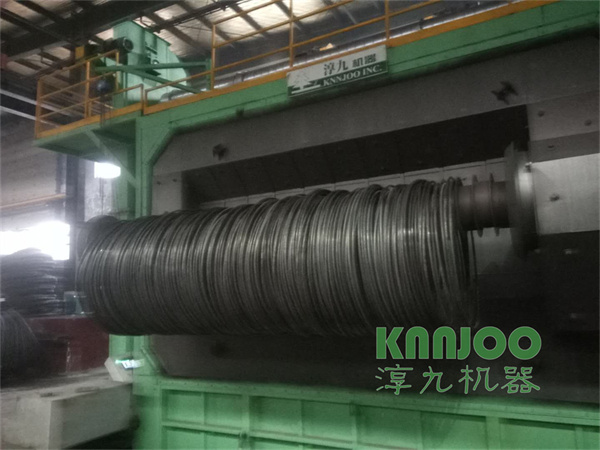
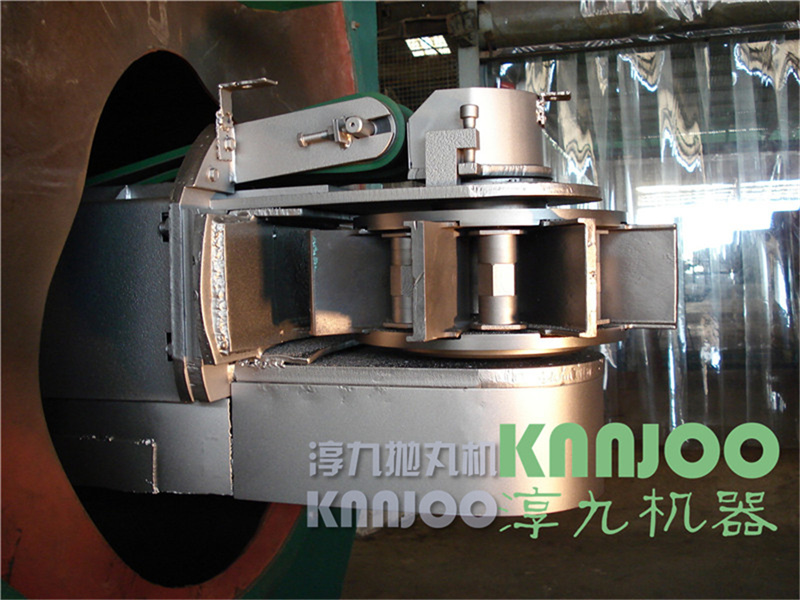
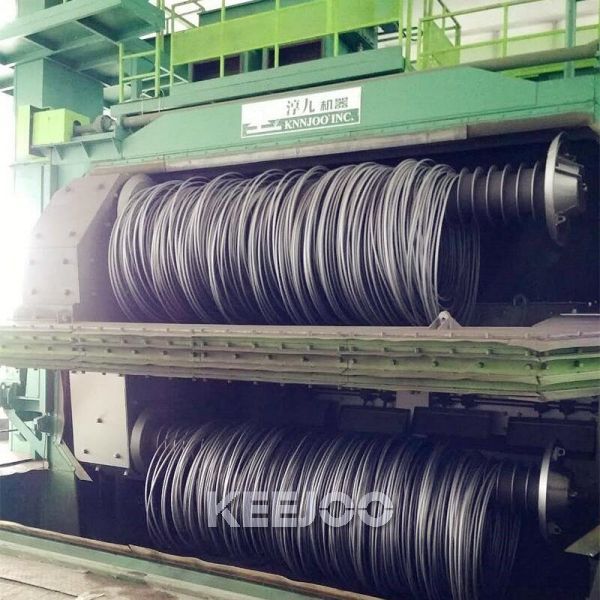
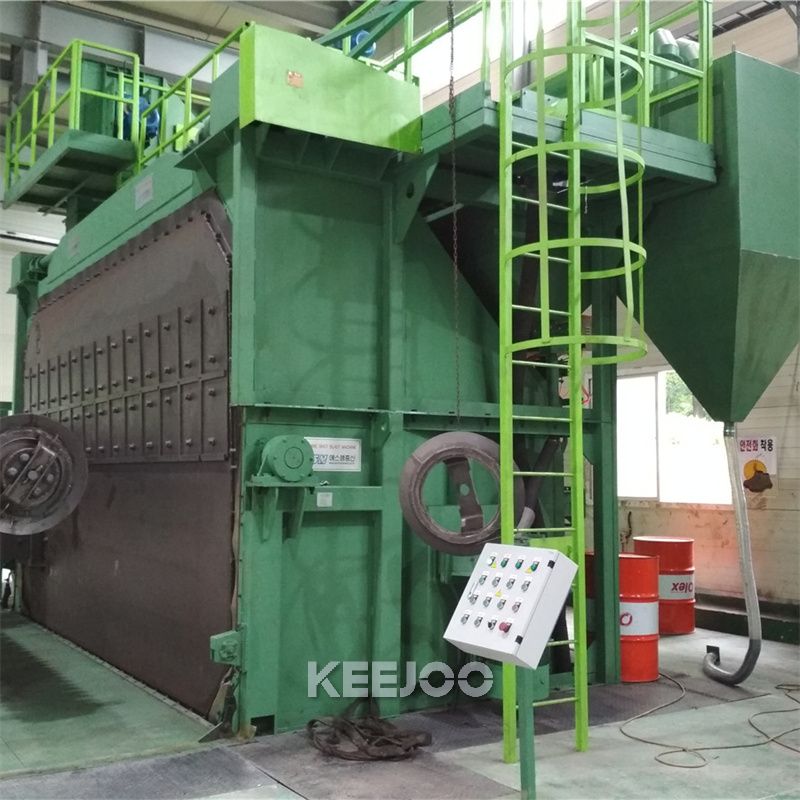
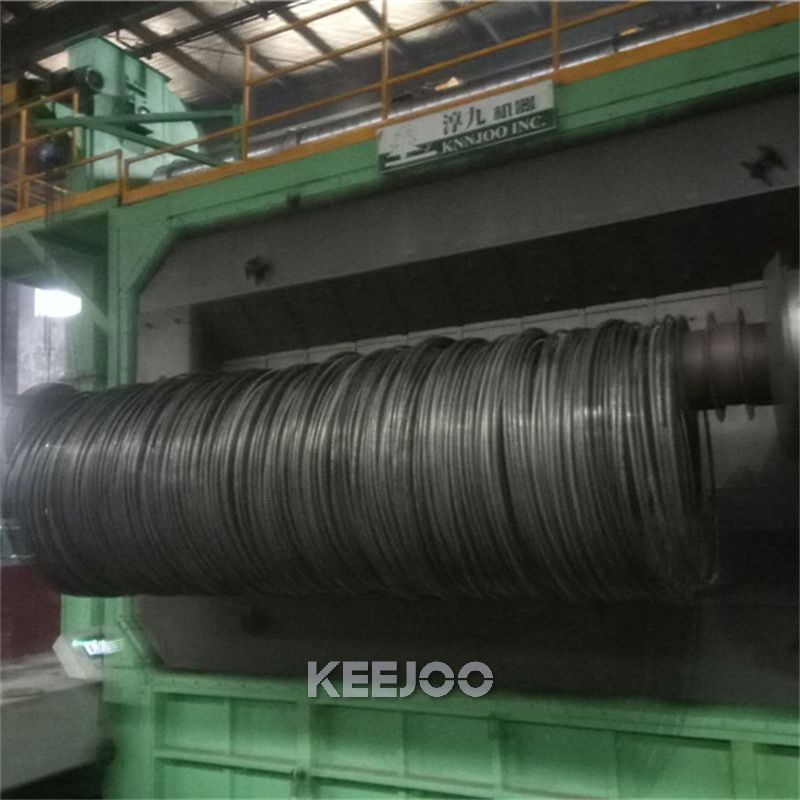
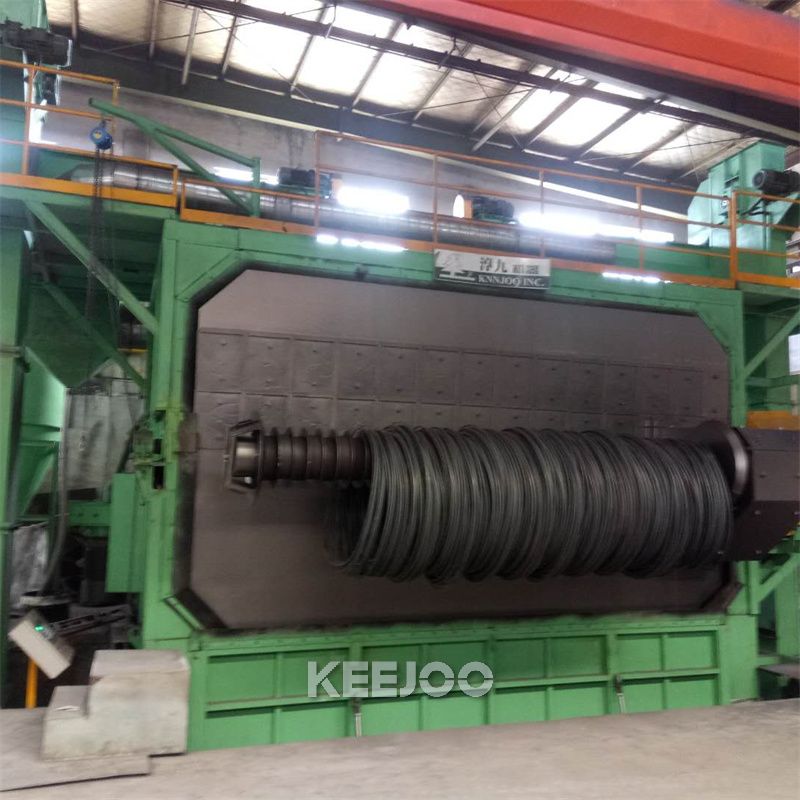
Shot blasting involves propelling abrasive media (such as steel shot) at high speed onto the surface of wire rod using a rotating blast wheel; the resulting impact and cutting action remove surface impurities such as mill scale, rust, and oil. If left unremoved, these impurities can serve as initiation sites for corrosion and reduce the wire rod's corrosion resistance.
Increase surface roughness:
Shot blasting imparts a certain degree of roughness to the surface of the coiled rod. This roughness enhances the adhesion of coatings and paints, thereby creating a superior protective layer that prevents corrosive agents from coming into direct contact with the base material of the coil.
Formation of a compressive stress layer:
During the shot blasting process, the impact of the abrasive media on the surface of the coiled rod generates compressive stress, thereby forming a compressive stress layer. This layer helps improve the fatigue strength and wear resistance of the coiled rod, subsequently enhancing its corrosion resistance.

Other measures to improve corrosion resistance
While shot blasting helps improve the corrosion resistance of coiled wire rods, the following measures can also be taken to enhance their long-term corrosion resistance:
Coating treatment: Applying an anti-corrosion coating or paint to the surface of the shot-blasted wire rod to form a protective film that prevents the ingress of corrosive agents.
Hot-dip galvanizing: Wire coils intended for long-term exposure to harsh environments can undergo hot-dip galvanizing. The hot-dip galvanized coating provides excellent corrosion resistance, protecting the coils from corrosion.
Regular inspection and maintenance: Periodically inspecting and maintaining the coiled rod during use—and promptly identifying and addressing potential corrosion issues—can extend its service life.
Conclusion
In summary, shot blasting not only fails to compromise the corrosion resistance of coiled wire rod but actually helps to enhance it. By removing surface impurities, increasing surface roughness, and creating a compressive stress layer, shot blasting provides superior protection for the material. Furthermore, the corrosion resistance of the coiled wire rod can be further improved by combining this process with measures such as coating, hot-dip galvanizing, and regular inspection and maintenance.