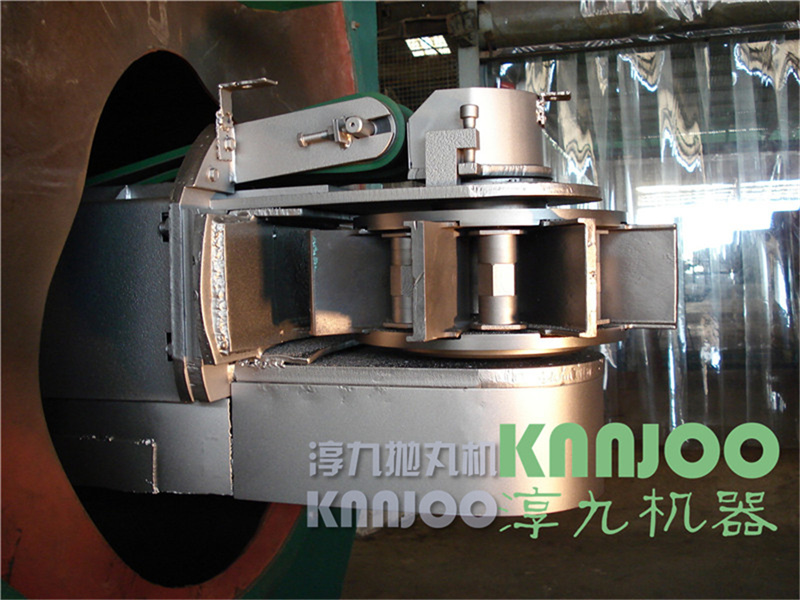
How often should the blades of a shot blasting machine be replaced?
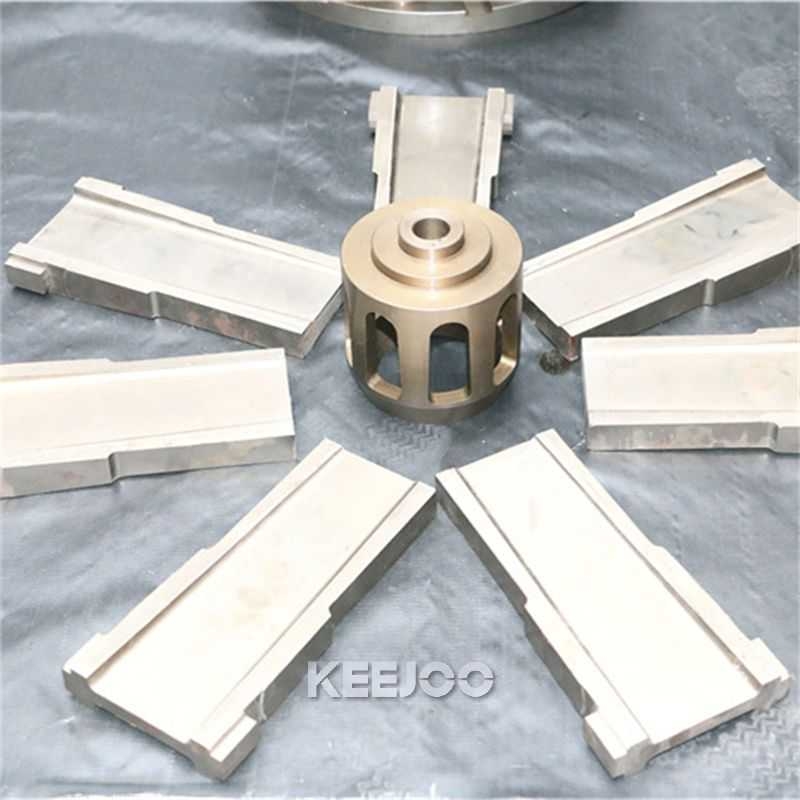
Blades are the most short-lived, critical wear parts in a shot-blasting machine. Many workshop managers have learned this the hard way: waiting until the blast wheel vibrates noticeably or the liner plates are worn through before shutting down the machine leads to costly emergency repairs—often costing thousands extra—and causes delays in delivery. Today, we will clarify the quantitative standards for blade replacement.
I. Why shouldn't you wait until a blade is "completely broken" before replacing it?
Blades accelerate steel shot to speeds of 80–120 m/s through high-speed rotation, subjecting them to constant, intense impact. As they wear down, blasting efficiency drops, resulting in uneven surface cleaning. More dangerously, if a blade develops cracks or chunks break off, the high-speed rotation could cause a "catastrophic failure" (or "machine explosion"), with flying debris posing a severe, unpredictable risk.
II. Remember these three figures: 20%, 30%, and 2mm
Determining blade wear should be based on quantitative standards, not just "gut feeling."
Safe Zone (wear < 20% of original thickness): No surface cracks or deformation; routine weekly inspections are sufficient.
Warning Zone (wear 20%–30%): The surface begins to roughen, and edges show slight chamfering. At this stage, increase inspections to a daily frequency and ensure spare parts are on hand.
Replacement Zone (wear ≥ 30%): The machine must be shut down immediately for replacement. Additionally, any surface cracks, chips, or warping—or a thickness variance of more than 2mm between blades in the same set—also mandate replacement.
For example: If a high-chromium blade has an original thickness of 15mm, it should be replaced once it wears down to 10.5mm (exactly 30%). Don't hesitate over those few millimeters; safety is paramount.
III. The Golden Rule for Replacement: Replace as a complete set—never piece-meal
A common mistake in workshops is replacing only the blades that appear the most worn. This is strictly prohibited.
Blades must always be replaced as a complete set. The thickness variance between blades in the same set must not exceed 1mm, and they must be identical in material and specifications. Why? To maintain dynamic balance. Replacing a single blade with a new one creates a weight imbalance, which leads to severe vibration and accelerates damage to the bearings and the main shaft.
After installation, run the equipment without a load for 5–10 minutes; ensure the vibration velocity is ≤2.5 mm/s before resuming loaded operation.
IV. Reference for Replacement Intervals
For high-chromium alloy blades under standard 8-hour daily operation: 400–600 hours (approximately 2–3 months). For 24-hour continuous operation or when processing heavily rusted workpieces: 200–300 hours (approximately 1 month).
It is recommended to keep 1–2 sets of blades in stock at the workshop—do not wait until a breakdown occurs to place an order.